
|
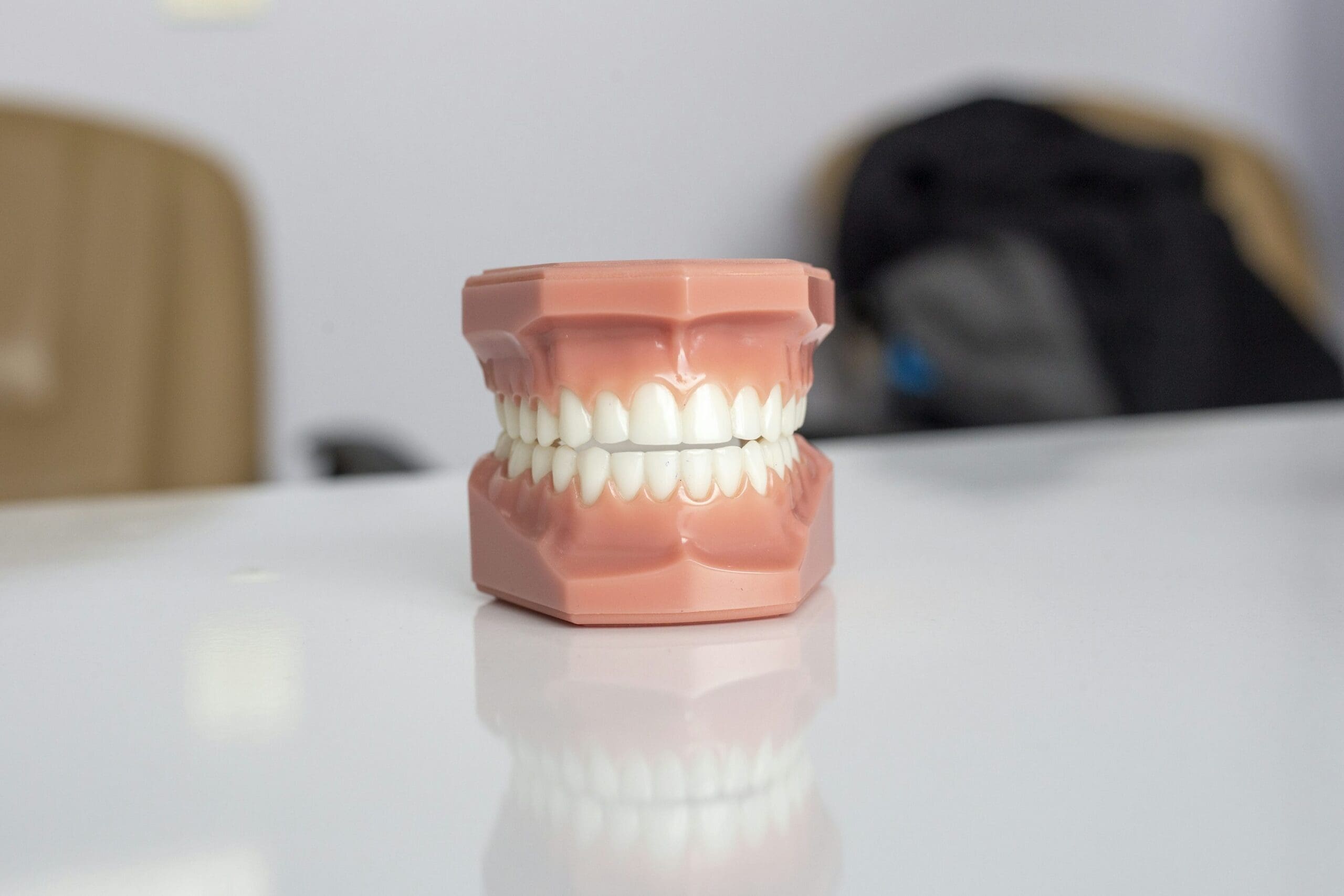
Welcome back to Thank God It’s Monday! tl;dr Every decision you make comes at the cost of an alternative path. Discontentment results from being dishonest with yourself about the cost of your choices. If you proactively confront the costs of your decision (and its alternatives), you will more likely make the decision that was better for you in the first place. We all have big plans in life. We are going to get in shape, grow in our jobs, save for retirement, and get 8 hours of sleep. And yet, how often do we get to the end of the day and feel frustrated because we didn’t take steps towards reaching these goals despite how good our intentions were at the start of the day? It’s true life happens and we are faced with unforeseen circumstances that derail us from our lofty plans. However, I think most of us can do better within our capacity to make the most of our time and energy. We are faced with thousands of decisions each day. Every time we make one of these decisions they result in us either moving towards or away from our goals. Yes, even whether or not to floss, eat our vegetables, and scroll on our phones before bed. Every one of those decisions impacts your ability to achieve those big lofty goals. This is because each one of those decisions, no matter how minute, comes with a cost. This cost is especially, well, costly if our intentions do not align with our actions. For example, after you visit the dentist, he or she tells you to increase the amount you are flossing. Your teeth look good but you’re developing signs of a cavity that flossing can help you prevent the progression of. So you go home and maybe for the next few days, you make the dentist proud. You spend the extra few minutes flossing in the morning, singing the “Shiny Teeth and Me” song from the Fairly OddParents. (No? Just me?)
Then one morning you wake up late and you’re rushing for work so you skip the flossing and just do a quick brush because you’re trying to make it out the door in record time. No harm, no foul. You hadn’t flossed in months, one day won’t hurt. But then the next day comes around and maybe you skip it again because you’ve lost your rhythm at this point so you consider what’s the big deal? But decide it’s insignificant and you’ll get back around to it when you have time. But, as the story goes, that urge to floss slowly dwindles until it’s not even a thought that crosses your mind. Until that next dentist appointment approaches at least. The mouth is one of my least favorite areas to study pathology so I’m not here to lecture you about flossing (although the most recent studies I believe have shown a significant reduction in gum disease with flossing compared to brushing alone). However, pathology of the human condition is right up my alley so I am here to lecture you on why deliberating about flossing is costing you precious energy that can be used elsewhere. Those moments you spend deliberating whether or not to floss cost you willpower and mental capacity that can be used to do big, needle-moving tasks (the ones that help you accomplish those big, audacious goals). And maybe the few seconds you consider flossing specifically aren’t preventing you from working out or getting a work project done. But if you multiply that modicum of energy by the thousands of decisions you deliberate each day, well that is costing you significant amounts of effort that can be better utilized. Furthermore, when it comes to other similar times you spend deliberating whether or not to work out, get to bed early, wake up early, skip dessert, etc, you waste even more effort regretting when you don’t act in line with your intentions. Maybe you don’t spend the entire day woefully regretting that you skipped flossing that morning. However, think about the days you’ve deliberated whether or not to work out. Sometimes we choose not to, and that’s okay! When you’ve weighed the cost of working out with the costs of not working out and decided that it’s worth it for you to take a rest day, then fully commit to it. Enjoy a relaxing day letting your body recover and have no regrets. But when you don’t weigh the costs of the decision before making it you may regret it. Maybe you decided not to work out but didn’t go into it with your whole heart. You instead dilly dally deciding whether or not to get up. Eventually, enough time passes that you say screw it. Then you end up wasting time scrolling on your phone or doing busy tasks so you don’t have time to workout anymore. You end up snacking or overeating and then by the end of the day feel like crap because you didn’t make your decision having fully considered the outcomes. Whenever you half-ass a decision you often wind up feeling dissatisfied with the results. This week, my podcast recommendation is from Mark Manson’s The Subtle Art of Not Giving a F*ck, “How TikTok Ruined Politics (and Your Sex Life).” With that, have a wonderful, beautiful, sunny fall week. Don’t let the end of the year approach and you haven’t made the decision yet to make the changes you want to make. Consider how you’ll feel at the start of 2025 by taking action now, and what the alternative will look like if you don’t. Until next time, Shannon P.S.
|
The Blog
TGIM: Decisions, Decisions

View comments
+ Leave a comment