|
Welcome back to Thank God It’s Monday!
tl;dr Resilience is an indispensable quality for success. It is a skill that can be strengthened and must be harnessed to deal with new challenges. It does not entail avoiding suffering; rather, it requires reframing the experience.
Part of this journey to becoming the best versions of ourselves requires picking up clues of success along the way. We can look towards people who are a step or two, or ten, ahead of us on this path and see what they are doing that we are not yet. Despite the area in your life that you are working to improve, there are ubiquitous threads of success. One of those threads is resilience.
Resilience is a superpower of successful people. It separates those who persist from those who give up. Like a muscle, it can be strengthened over time.
A common misconception about resilience is that it equates to the ability to withstand pain. Pain can refer to being uncomfortable in a new situation, struggling in a new business venture, or dealing with monotonous steps while working towards a goal. Sure, some people are better than others at dealing with this kind of discomfort. But successful people don’t depend on what they’re inherently good at. They work on the skills that are key to their success.
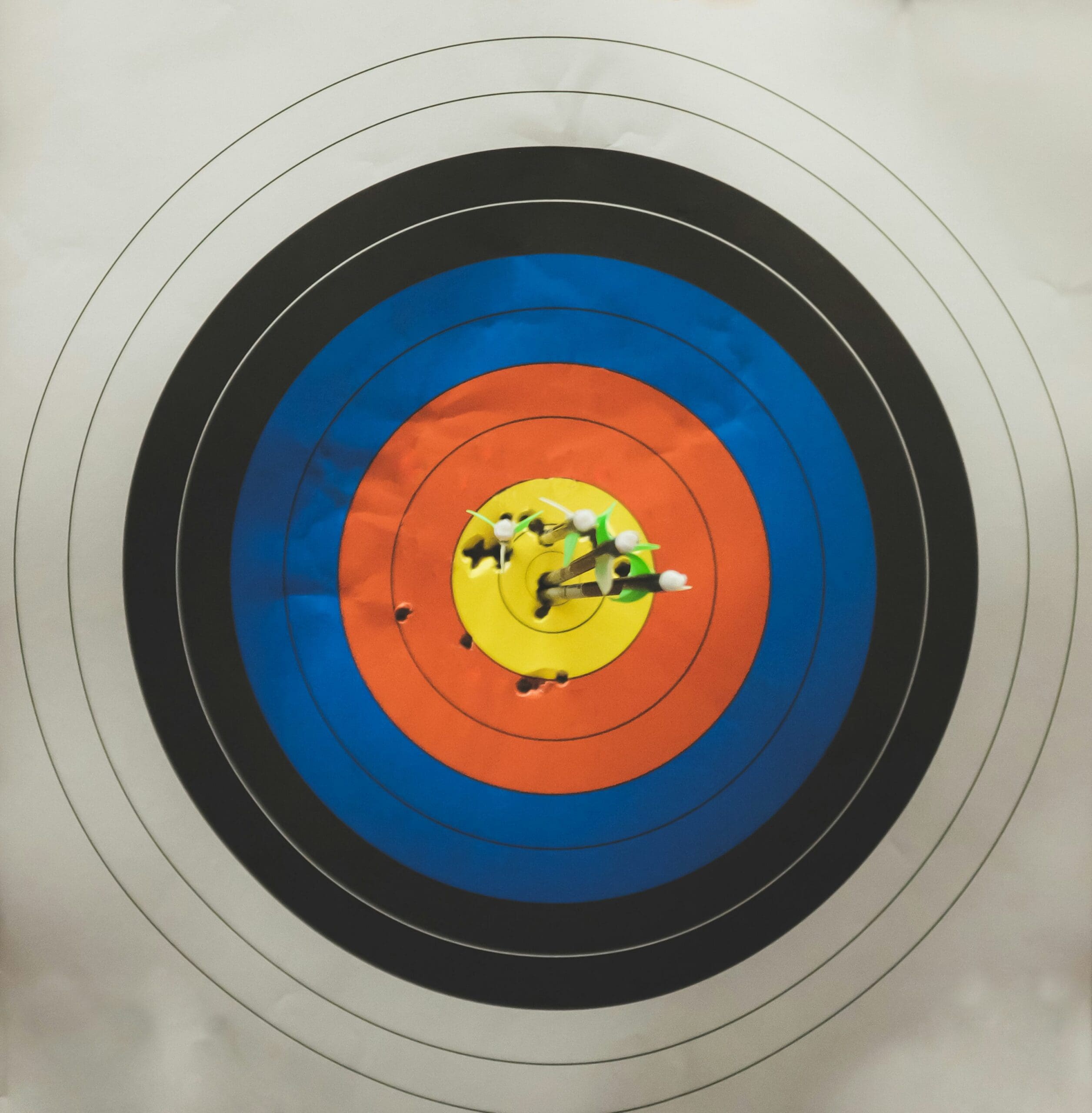
In Mark Manson’s podcast this week, he describes resilience with the Buddhist story of the two arrows. The Buddha explained: pretend you’re walking through the forest and you’re hit with an arrow. The arrow represents an initial bad event; it’s unavoidable (aka, life happens). Then you’re hit with a second arrow. The second arrow represents your reaction to the first arrow. It is the suffering we impose upon ourselves by dwelling on the bad event.
For example, if we unfortunately get into a car accident, that is the first arrow. It is an unfortunate event that was unpredictable and unpreventable. It is human nature initially to be frustrated and experience some kind of suffering, whether that be emotional or physical. Maybe you are hurt, or maybe you feel it’s unfair that it happened to you.
The second arrow is self-imposed suffering. It is when we dwell on the fact that it seems unfair. We get caught up in a story telling ourselves, “woe is me, I can’t achieve this goal because I am too busy, too stressed, too blah blah blah.” But we end up prolonging the suffering by repeating the story to ourselves and others instead of progressing despite it.
Resilience in this story represents the second arrow. The first arrow is going to strike because life happens. But our reaction to life happening is how we can build resilience. Instead of becoming hindered by life happening, we can train ourselves to better react to similar events in the future.
So how can we use resilience to help us reach our goals?
Since we’re heading (thankfully!) into the spring, we’ll use weight loss as our example since it’s a recurring theme for most people each year (due to lack of resilience).
Weight loss entails the ability to take the first arrow and better react with the second arrow. The first arrow with weight loss can be the urge to indulge in that sweet treat at work or the desire to go out for drinks with friends. Your goal is to lose weight, but it can be uncomfortable resisting things that may not align with your goals. Resilience is not indulging in the sweet treats or drinks with friends despite the initial discomfort, knowing that in the long term, it will better align with your goals.
Resilience also refers to the monotony that must be endured for weight loss, like drinking water and getting your steps in. They are unexciting, simple tasks that must be done over and over and over again. But withstanding that tediousness and doing it anyway builds the resilience it takes to be successful.
No matter what your goal is, you can benefit from building resilience. You can’t avoid the suffering that comes with life. But you can reframe your experience of it. Try to catch yourself when you tell yourself these stories so that you can change the narrative. Let yourself experience the emotion that comes with the first arrow, but don’t delay your forward progress by inflicting pain with the second arrow.
Successful people learn to use the second arrow to their advantage. They go through the same nonsense as everyone else and learn quickly. They don’t harp on the misfortune and instead take a lesson from their experience and adapt better for the next time. The quicker you learn, the quicker you can improve, and the faster you get ahead.
Learn to be resilient. Excel at the monotonous tasks it takes to be successful. Get good at the boring stuff. Embrace the discomfort. And when life strikes at an inopportune time, don’t dwell on what went wrong but move forward with the conviction to do better next time.
If you found some value in this, please share it with a friend you think would enjoy it! And let me know if you’d like to be added to get TGIM.
This week, my podcast recommendation is from the The Subtle Art of Not Giving a F*ck Podcast, “Mastering Resilience, AI’s Unstoppable Rise, and Can We Truly Change?”
With that, let me know what area of your life you know you’re resilient in. Maybe that’s a good habit you’ve developed or an area in your life where you’re confident. How did you get to be resilient? How can you replicate those steps to become resilient in other areas?
Until next time,
Shannon
|


View comments
+ Leave a comment