
|
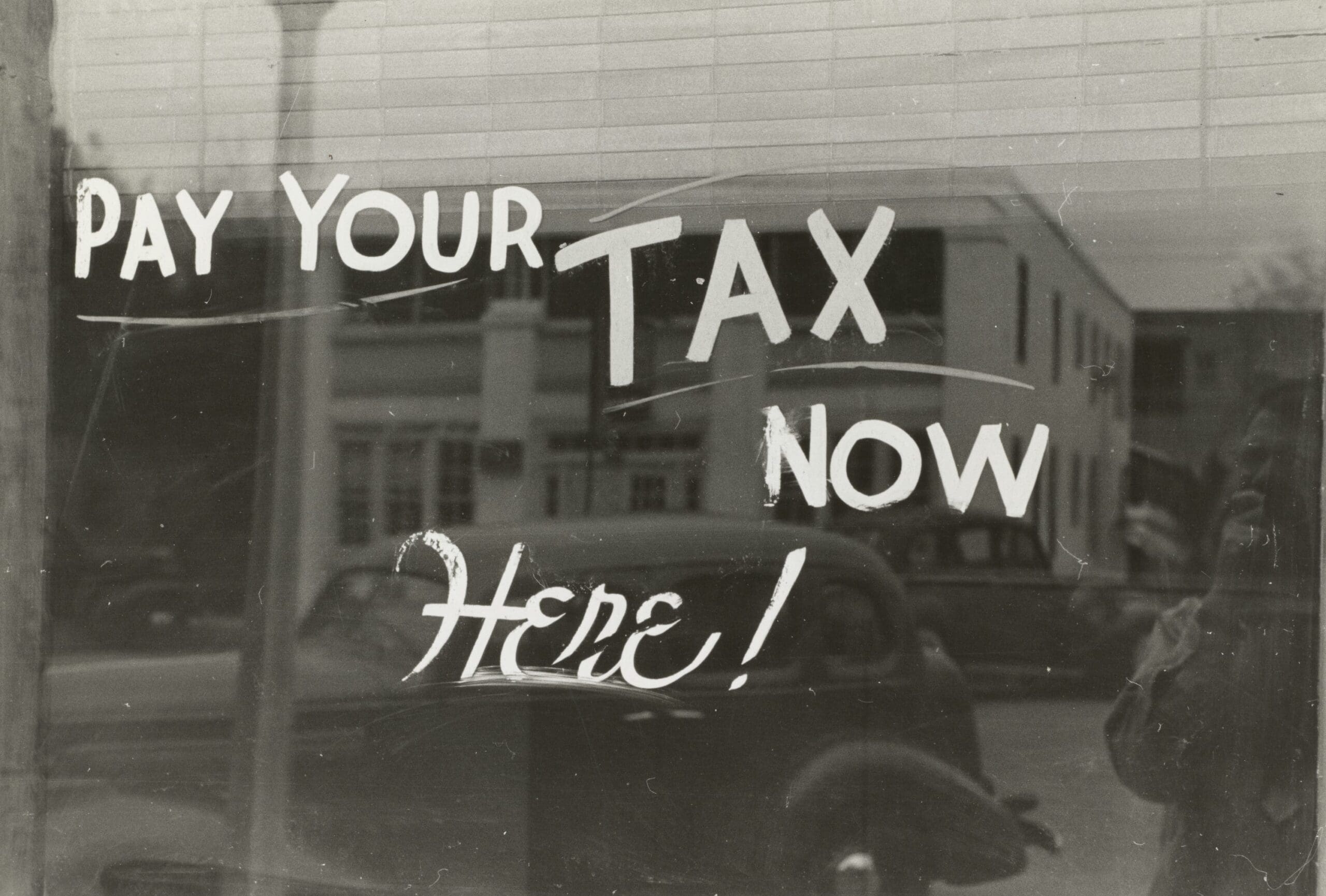
Welcome back to Thank God It’s Monday! tl;dr You don’t get to choose whether or not you struggle in life, it’s inevitable. But you can impact the type of struggles you have. Death and taxes are inevitable, but the life tax is dependent on your choices. As Ben Franklin said, “’Nothing is certain except death and taxes.” To tack on to that sobering truth, suffering in life is non-negotiable. At the most fundamental level, people suffer when they don’t have access to shelter, food, water, and safety. Basic human rights need to be established before anything else can be sought. Money can help in these situations to gain access to shelter, food, water, and safety and alleviate this suffering. Once these needs are met, suffering gets redirected. With a secure job, many people struggle with the demands of waking up early every day, making time to stay healthy, dealing with difficult bosses, and finding opportunities for personal growth. Consider how many times you’ve groaned when your alarm went off or threatened your friends that you’re quitting (for real this time). It can be uncomfortable, even overwhelming. If you are fulfilled in your job, your suffering might be related to your ability (or inability) to advance and how to invest your salary. A job may suit your current needs, but not offer room for professional or personal development, leaving you in a difficult position. It may also provide you with a salary covering more than your basic needs, but you are not sure how to start investing and set yourself up for success in the long run. Suffering will continue to change forms as your success evolves. But it will be there. Some unpredictable afflictions arise, such as coping with the untimely death of a loved one or an unforeseen loss of a job. This is the nature of life. But the good news is that there are some modifiable factors that we can control to alleviate certain forms of suffering. The greatest variable within our control is our health (to a large extent; of course, there are autoimmune and genetic aspects outside the scope of this conversation). While exercise, eating right, and personal development practices can be their own forms of suffering, a life bereft of them is a guaranteed life of struggle. Establishing a workout routine and healthy, balanced eating habits can be challenging, as made evident by the growing obesity epidemic in this country. It is difficult to go to the gym when you’ve grown accustomed to sitting on the couch. It may feel unnatural to ask for broccoli instead of French fries when you go out to eat. Making time to move your body after working a long shift can feel like torture. But these are predictable forms of struggle that get easier with practice and established systems. On the other hand, to choose not to engage in these practices results in another form of predictable struggle: chronic disease. Diabetes, heart disease, and even dementia can be staved off with movement and eating well. While not totally preventable, why not deter these diseases as best as we humanly can with these practices? We can choose to take the challenging road in the short term (exercise and eat our vegetables to oversimplify it) or we can choose hardship in the long run (inability to maintain our independence in old age, reliance on medications, and complications from disease). Either way, we have to decide which life tax we want to pay. Do we want to pay the toll now and create these systems of healthy habits? Or do we want to wait and pay tenfold when we are dependent on doctors, medications, and others to keep us going as we get older?
There is no avoiding suffering, and there’s no evading the tax of life. We get to live this beautiful, curious, and exciting adventure and celebrate love, joy, and fulfillment. But it is not free. We have to pay the tax at some point. But you get to choose if you want to do most of your investing now or later. So take your pick: pay your taxes now, or life will force you to do it later. And since only taxes and death are guaranteed, you might as well have your say in them to whatever extent you can. If you found some value in this, please share it with a friend you think would enjoy it! And let me know if you’d like to be added to get TGIM. This week, my podcast recommendation is from Mark Manson’s The Subtle Art of Not Giving A F*ck, “How to Find the Mindsets that Work For You (ft. Derek Sivers).” I know I recommend this one a lot, but it’s one of only two podcasts I’ve listened to every episode of because it always scratches right where I have an itch. So take it or leave it, but it was another great interview. With that, let me know how you’re paying your life tax. Since the IRS isn’t here to check that you’re taking care of yourself, I will happily step in. Until next time, Shannon |
The Blog
TGIM: The Life Tax

View comments
+ Leave a comment