
|
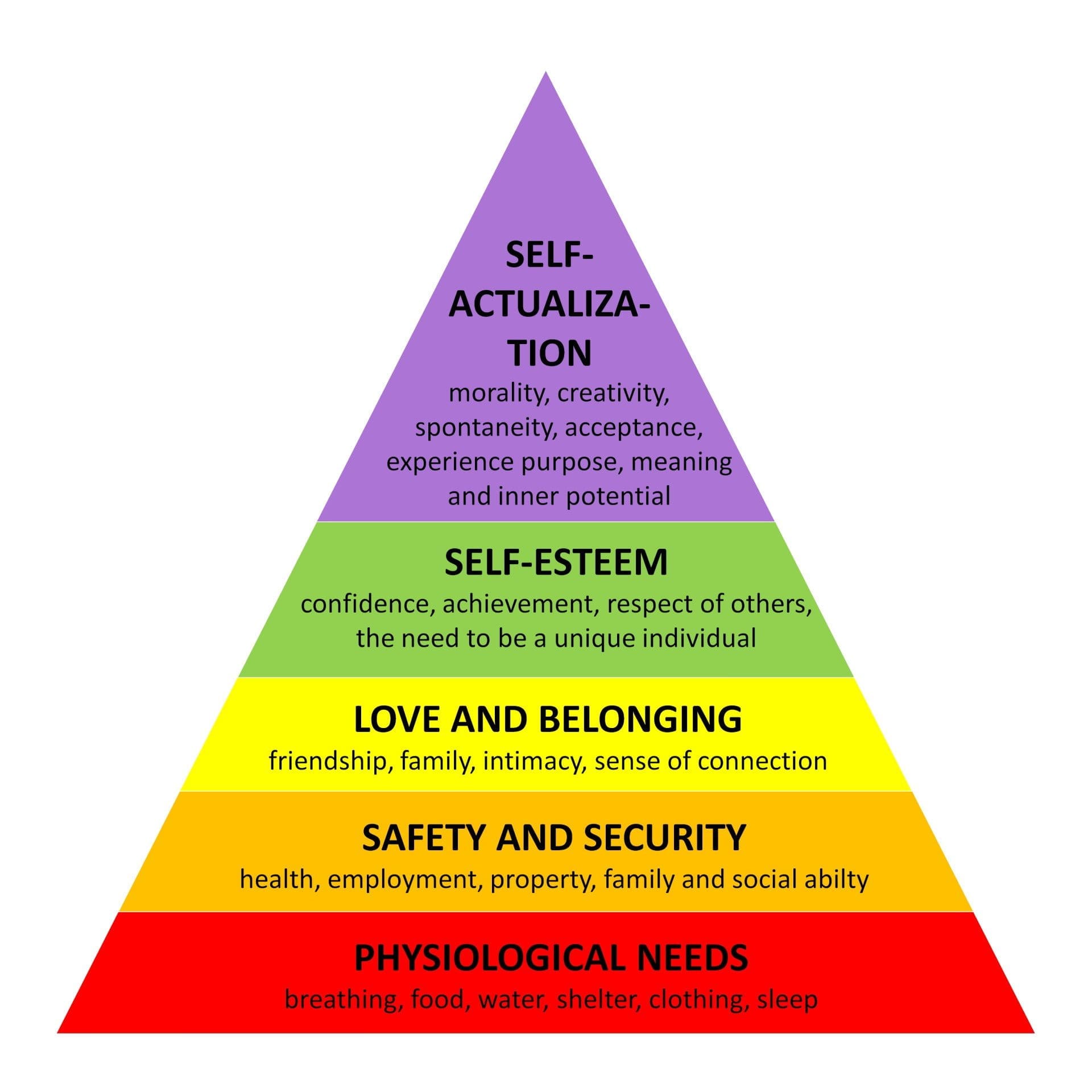
Welcome back to Thank God It’s Monday! tl;dr Burnout seems to be a result of chronic stress leading to utter exhaustion. Our lives are so fast paced nowadays that the rate of exhaustion is on the rise and more people are burnt out than ever before. There is an inverse relationship between Maslow’s Hierarchy of Needs and burnout. In order to tackle burnout, we need to rebuild this pyramid by addressing psychological needs, safety needs, love and belonging, esteem, and self-actualization. I’ve been working on a business that will hopefully encompass everything I’ve been working on under one roof (TGIM, the newer TGIF, coaching, training, etc). It’s like highway construction: taking forever but hopefully will improve things in the long run! My project this week was developing a quiz and so I surveyed some people on instagram to see what piqued their interest and burnout was a much hotter topic than I realized. The most votes went to a quiz about how close you are to burnout and what to do about it. I was shocked! I suppose it’s because I don’t feel directly impacted by burnout; it wasn’t something I felt moved to address. But when those results came back from the quiz, I knew it was a topic I had to give more thought. I mean for a generation that gets constantly criticized for prioritizing a work-life balance, it’s shocking how prevalent the issue of burnout is. It makes sense though, doesn’t it? Why burnout is on the rise. Life moves faster than ever before. There’s very little down-time, constant entertainment and distractions, phones, the internet, and information everywhere. It’s a stream of noise that never stops. When I asked ChatGPT what causes burnout, the root of the answer came down to chronic stress. This is distinct from acute stress in its nature and effect. Acute stress is when you crack your phone screen or you spill your coffee. You may feel overwhelmed for a moment and maybe your blood pressure shoots up. But soon you’re able to address the problem and your stress levels come back down. Chronic stress on the other hand has longer term physical and psychological effects. It lowers your heart rate variability, keeps your blood pressure elevated, prevents you from getting quality sleep, and makes you inclined to lose your cool at any minor inconvenience because the overwhelm has been slowly simmering shallow beneath the surface. Chronic stress can result from not meeting basic human needs such as not knowing where your next meal is going to come from or not feeling safe at home or in a relationship. These are characteristics of the foundational layer of Maslow’s Hierarchy of Needs pyramid. Unless we have these basic physiological needs met, nothing else matters. We must have access to food, water, shelter, clothing, and breathing before we can worry about any other needs. When any of these are threatened, our chronic stress builds.
The rest of the layers from bottom to top are safety and security (health, employment, family), love and belonging (friendship, intimacy, sense of connection), self-esteem (confidence, achievement, respect of others), and self-actualization (morality, creativity, spontaneity, purpose, and acceptance). They theoretically build on each other to represent the needs of human beings. My argument is that any threat to or lack of these human needs leads to chronic stress. I believe the current speed at which life moves further impacts these needs. Our phones deprive us of our sense of connection. News channels can make us feel threatened physically because of the horrible stories constantly broadcasted locally and internationally. People are not pursuing their inner potential and finding outlets for their creativity because they are constantly distracted by all of the noise. As a result, our chronic stress keeps mounting and we aren’t able to cope with it because we’re exhausted. We’re exhausted from our own actions engaging with the constant chatter of the world instead of listening to our unmet basic human needs. So what is there to do about it? Well we can use Maslow’s hierarchy to help us improve the symptoms of burnout and give us a buffer for mitigating them in the future. At the most basic level, we have to make sure those most basic needs are met like food, water, and shelter. If we are fortunate to have all of those things met without question, we are very fortunate. Then the next level is safety and security. This pertains to our health and safety, in our homes, at work, and in our relationships. These can provide an extreme source of chronic stress if not managed. If you deal with a boss who does not support you or makes your life very difficult, you will make your way hastily towards burnout. If you don’t prioritize your health and optimize the genetic hand you were dealt, it’s another steep slide to burnout. Love and belonging refers to a sense of connection that as I get older the more I realize how vital this is to joy and survival. The internet is wonderful for so many reasons, and can help contribute to keeping people connected, especially in some situations where otherwise people might not be able to connect. For example, people who live in rural areas or those looking to connect to a more niche interest group. However, technology can also keep us so occupied and it does not provide the sense of human connection we crave and need. Spending time with friends and family or connecting with strangers who share a common interest can help curb burnout. Self-esteem is the need to be a unique individual and ability to gain a sense of achievement. The internet provides a similar outlet to help people progress in the professional or personal careers in ways that were not fathomable in the past. The flip side of that though is seeing the highlights of other people’s lives constantly on the news and social media which can dull that sense of accomplishment. Seeking forward progress is essential to our basic human needs and can prevent that stationary lull of burnout. Lastly, but certainly not least, is self-actualization. This is the domain in which we need to exercise a sense of purpose, creativity, and spontaneity. Burnout can stem from a lack of seeing purpose and being bereft of the chance to act creatively. A large reason this generation is much faster to switch jobs is because so many of them lack this factor. Without these, a job can quickly run you into the ground. If you don’t find creativity and purpose in your work, you can also seek them in a hobby or pastime after work. But you must find it somewhere before the burnout catches up to you. If you’re feeling burnt out, use this as a guide to try to pinpoint which aspect of your life feels like it’s running on empty. To refill the tank, try slowing down the pace of life and addressing your basic human needs, one layer at a time. You will feel revived if you can find out where to reinvest your energy. If you found some value in this, please share it with a friend you think would enjoy it! And let me know if you’d like to be added to get TGIM. This week, my podcast recommendation is from The Ed Mylett Show, “Your Next Breakthrough Requires a New You.” With that, burnout is not a diagnosis (necessarily), it’s a symptom of other factors in your life. Address the factors and you’ll address the burnout. Until next time, Shannon |
The Blog
TGIM: A Bad Burn

View comments
+ Leave a comment